

Exploring Technological Communication: A Framework for Effective Implementation
Technological communication helps students engage critically with emerging technologies, preparing them to communicate effectively in ways that extend beyond traditional modalities.
Developing multimodal skills is a critical part of Communication-Intensive (C-I) teaching and learning. In a 2009 paper, CxC’s founder Lillian Bridwell-Bowles illustrates the value of teaching multimodal communication, stating, “we can debate whether we are primarily in a print-based culture, an aural/oral culture, or a visual culture, but there is no arguing with the fact of multimodality.” So far, we’ve discussed three modes: written, spoken, and visual. Now, let’s tackle the fourth and sometimes most intimidating mode: technological.
Understanding Technological Communication
Technological communication immerses students in instruction and activities that integrate relevant, discipline-specific technological tools. This approach deepens their learning of course content while enhancing their ability to communicate effectively through technology. While the concept of technological communication as a distinct mode is relatively new, humans have always used the latest technologies to communicate. However, defining technological communication is complex. Because of this, it is essential to explore its nuances and distinctions.
Defining Technological Communication
At its core, technological communication occurs when technology is essential to producing a message—meaning the message could not be conveyed through writing, visuals, or speaking alone. Examples of technological communication in Communication-Intensive (C-I) courses might include multimedia presentation development, 3D modeling, web conferencing, social media engagement, video and podcast production, forum facilitation, and lighting or sound engineering.
For a communication act to qualify as technological, the technology must not merely serve as a tool for convenience but be integral to the message’s creation and delivery. It is not simply about discussing technology or using a device; it is about selecting, applying, and leveraging technology to enhance communication for a specific purpose.
Technological Communication vs. Technical Communication
To clarify technological communication, it is important to distinguish it from technical communication. Technical communication refers to a genre that exists within established modes—such as technical writing (written mode), technical presentations (spoken mode), and technical graphics (visual mode). In contrast, technological communication transcends these genres and constitutes its own distinct mode.
Additionally, we must differentiate between using technology as a tool versus engaging with technology as a communication mode. In most cases, technology serves as a tool to facilitate communication, such as:
Word processors improving writing efficiency
Spreadsheet programs visualizing complex data
Cloud-based collaboration software enabling team projects
In these cases, while technology enhances communication, the message itself does not fundamentally rely on the technology—it could still be conveyed through alternative means.

When Technology Becomes the Communication Mode
Technological communication occurs when technology is not just a means of expression but is the primary mode of communication. This happens when a message could not exist without the technological medium. For instance:
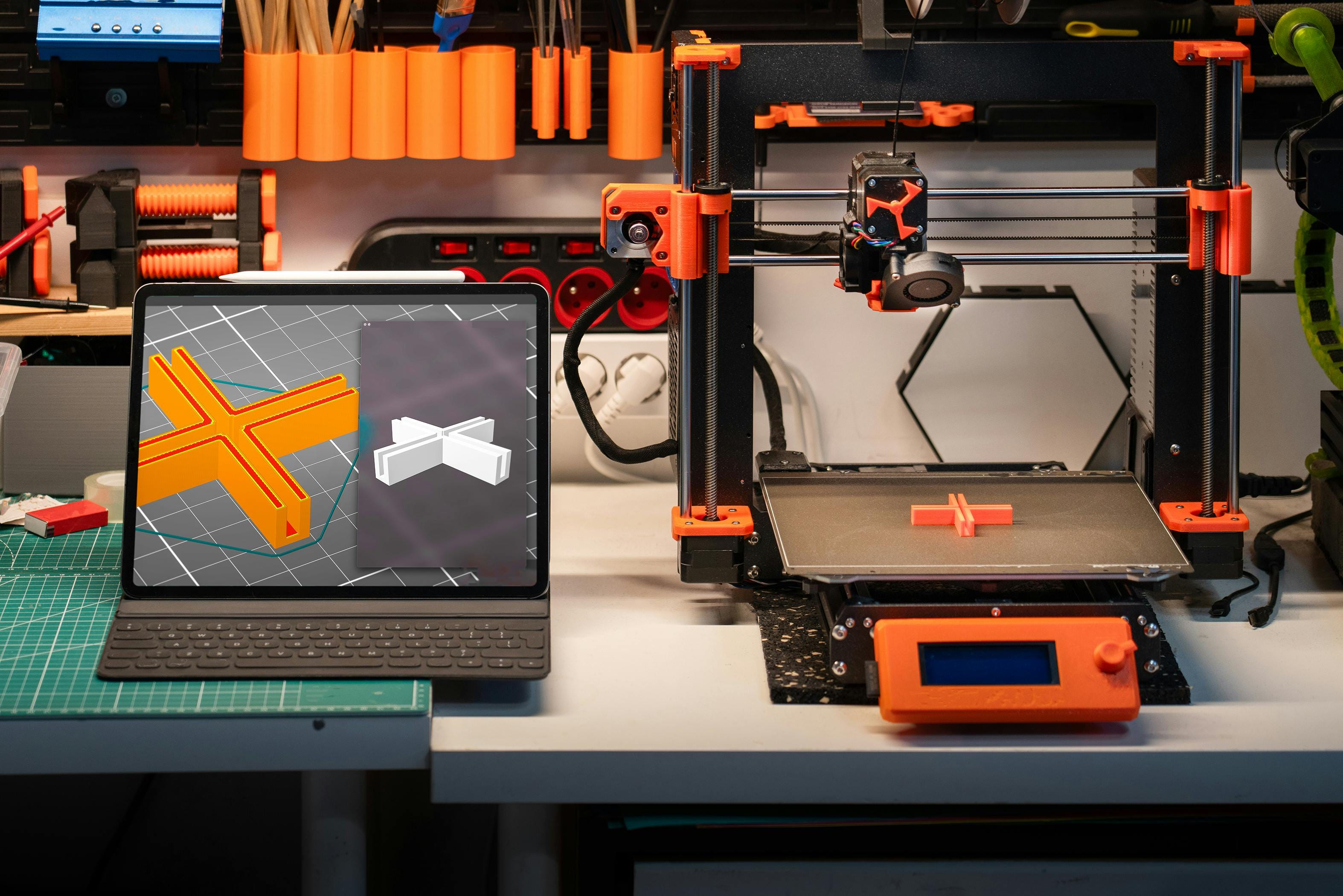
3D Printing for Visualization: In an engineering graphics class, students might struggle to identify design flaws in a digital model. However, when 3D printed, flaws become physically tangible, offering insights that were previously hidden.
Machine-Generated Communication: A calculator provides mathematical solutions that a human might be unable to compute manually. In this case, the machine itself is generating unique information, making it an example of technological communication.
Multimodal Business Presentations: A business student might integrate photography, video editing, narration, and streaming platforms to create a stand-alone digital presentation. The combination of these technologies results in a communication product that extends beyond traditional modes.
Evaluating Technological Communication in C-I Courses
Technological communication is positioned differently from other communication modes due to its natural tendency toward multimodality. To determine whether an activity falls under technological communication, consider three components: Technology, Communication, and Learning.
1. Technology:
What technologies are central to the discipline?
What emerging or cutting-edge technologies should be incorporated?
What technological competencies do students need to develop?
2. Communication:
Does the technology facilitate communication, or is it merely a tool for convenience?
How does it expand communication speed, reach, or audience specificity?
If the technology were removed, would communication be hindered or impossible?
3. Learning:
What are students learning about technology and communication?
Is the technology something students already know, or does it challenge them to use it in new ways?
Does the activity deepen students’ understanding of how technology transforms communication?
Conclusion
Technological communication is inherently disruptive, flexible, and forward-looking. It reflects both the rapid evolution of digital tools and the changing nature of communication in professional and academic settings. By integrating technological communication into C-I courses, educators help students engage critically with emerging technologies, preparing them to communicate effectively in ways that extend beyond traditional modalities. The key is ensuring that technology is not merely an aid to communication but is integral to the message itself.